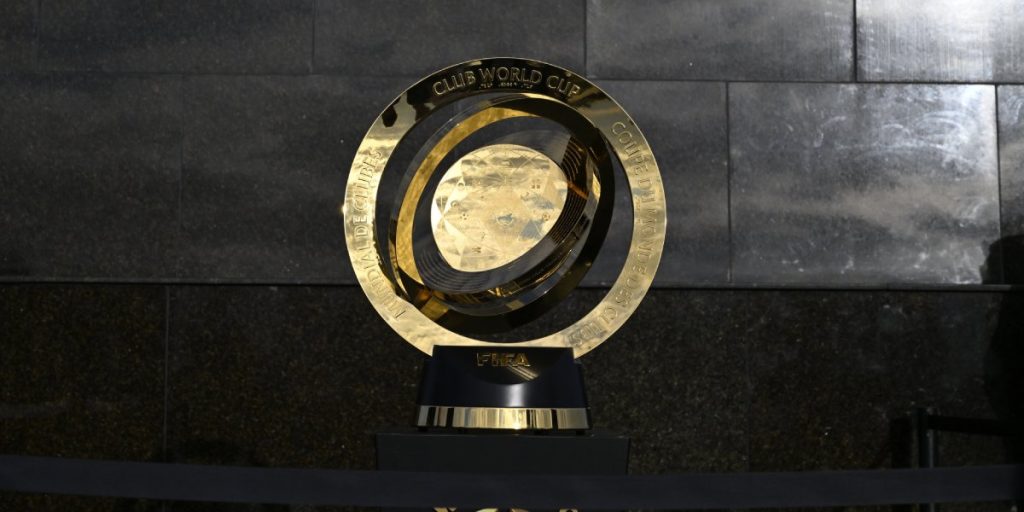
With the end of the 2025 FIFA Club World Cup, Simon Noy, SVP Trading, Kambi, looks back at the tournament and tells SBC News how it impacted on the sports betting landscape. From where it turned out to be most popular, to whether it filled the summer gap, he dissects the newest and most controversial football tournament to date.
The FIFA Club World Cup was always going to be a controversial affair. Marking a big shift from the traditional seven-team format to a full 32-club competition, the tournament brought with it more games, more money and much more scrutiny.
Pep Guardiola summed up the mood of many when he warned the competition could “destroy” Manchester City’s 2025-26 Premier League campaign. While that might sound dramatic, his comments tapped into a very real concern in the footballing world around player welfare. Bayern Munich player Jamal Musiala’s a fractured fibula and a dislocated ankle sustained against PSG unfortunately became a stark reminder of those concerns.
Then there were the attendances. Or, more accurately, the lack of them. Despite the promise of a global festival of football, some matches were played in front of sparse crowds comparable to pre-season friendly tournaments.
However, the tournament did deliver some solid results from a sportsbook perspective. At Kambi, we were pleased to see that several fixtures generated turnover equivalent to a good Champions League last 16 match. That performance didn’t come as a surprise, but it was nonetheless encouraging to see some positive engagement levels, the wider halo effect of which goes beyond just bets placed on the tournament itself.
In Latin America, the Club World Cup really captured the imagination. Passionate fanbases, strong club performances from the likes of Fluminense and Palmeiras, and a genuine sense of pride in competing against Europe’s elite helped drive engagement.
And that was reflected clearly in our data. At Kambi, more than 80% of all bets placed on the Club World Cup came from Latin America. It’s a strong testament not just to the enthusiasm of the region’s fans, but also to the strength of our growing local partner network. Once motivated to open their favourite sportsbook, they found a Kambi-powered offering built to engage, with a vast array of relevant bet offers underpinned by our AI-powered pricing and trading capabilities.
The timing didn’t hurt either. The regulated sports betting market in Brazil officially launched on 1 January, adding some additional momentum at the perfect time, while the tournament was also sandwiched into the middle of the major domestic league seasons in LatAm. The appetite for betting in the region was clear, and at Kambi, we were ready to meet it alongside our partners.
One of the big questions going into the tournament was whether the Club World Cup could plug the gap left by the absence of international tournaments like the Euros or Copa América this summer. The answer? Yes and no.
Yes, in the sense that it is comfortably the biggest betting event of the summer for us – and that came as no surprise. But the context matters – we’re comparing this year to a 2024 calendar packed with major international competitions. By comparison, the Club World Cup clearly didn’t match the same emotional pull or widespread appeal.
One clear takeaway from the tournament has been the continued growth of Bet Builder. More than one-third of pre-match bets throughout the competition were placed using this feature, and we saw a strong correlation between Bet Builder usage and continued engagement round-to-round. It’s a great example of how giving players the tools to customise their bets can significantly boost retention and enjoyment – especially in tournaments with unfamiliar matchups or unpredictable outcomes.
Our data also suggests that users who engaged with Bet Builder during the earlier rounds were much more likely to return for the knockouts – approximately 75% of bettors who placed a Bet Builder on the third round of group fixtures returned for the knockout stages. That stickiness is something we’ll continue to monitor and optimise for in future competitions, big or small.
Player props also continued to demonstrate immense popularity, and expanding this offering is a core part of Kambi’s strategy. Not only did traditional props markets like ‘player to score’ and ‘player to have a shot on target’ perform well, but markets like ‘goalkeeper saves’ and our unique ‘player to have a shot on target in minutes X-Y’ drew significant engagement, demonstrating bettor appetite for markets at the edge of the offering.
If nothing else, the Club World Cup has reinforced how fragmented football’s global audience can be — and how important it is to tailor offerings to different regions. While the tournament somewhat struggled to find its place in Europe’s football calendar, it thrived in Latin America thanks to the right mix of excitement, local pride and market opportunity.
For now, the Club World Cup has given us plenty to consider – and plenty to build on when the tournament comes around again in four years’ time.
Don’t forget to subscribe to our Telegram channel!