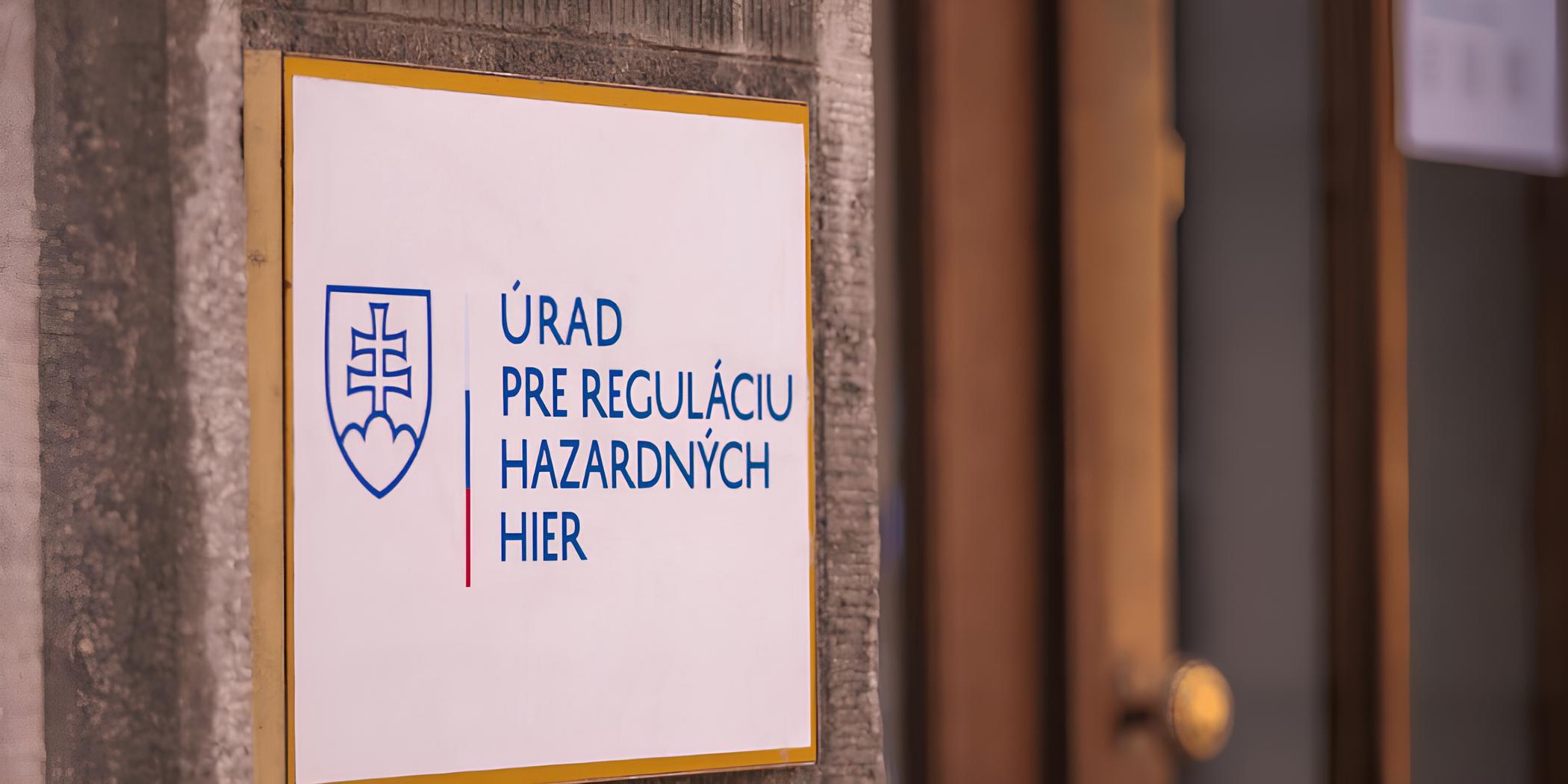
ÚRHH, the Gambling Authority of the Republic of Slovakia, has announced that 20,500 citizens have used its RVO system to self-exclude themselves from gambling activities. The figure represents a milestone for ÚRHH’s governance of Slovakian gambling following the legislative reforms in 2019, introduced under the new Slovak Gambling Act.
The RVO system (Register of Excluded Persons) was created as a core mechanism of the government’s new gambling framework in 2019, allowing individuals to voluntarily block access to all licensed gambling activities, both online and land-based.
ÚRHH’s Director General, Jana Mravíková, noted that the rising uptake in self-exclusion “confirms the functionality and justification of this key regulatory tool,” and reflects growing public awareness around gambling-related harm.
“Our goal is to create and maintain a safe and transparent environment in the gambling market,” she added, underlining the regulator’s broader efforts to promote prevention and education.
According to the regulator’s latest monitoring report, self-exclusion requests have more than tripled since May 2020, when the RVO recorded 5,871 registered individuals. In May 2025 alone, 513 new self-exclusion requests were processed, while 186 individuals requested removal from the system.
This development comes amid heightened scrutiny over the fast-growing online casino sector, which has now overtaken land-based gambling in both volume and revenue. ÚRHH reported that in 2024, online casinos accounted for €12.8bn in total bets, driving €480m in player losses – matching the combined losses from land-based casinos and gaming halls.
While overall gambling activity contributed a record €347m in tax revenue to the state budget in 2024, concerns are mounting over the disproportionate risks associated with digital gambling. Mravíková has pledged that ÚRHH will maintain close monitoring of the market’s divergence, especially in relation to high-risk online games such as slots and instant-play products.
Health experts have urged the regulator to consider stricter controls for online casino offerings, including time and deposit limits, affordability checks, and behavioural analytics to flag at-risk users.
While no formal policy has been adopted, ÚRHH has acknowledged that it is still evaluating whether specific safeguards will be introduced to strengthen consumer protections in the online space.
As consumer engagement continues to shift online, the future direction of regulation and the government’s approach to managing addiction and harm will depend heavily on the data being generated through the RVO and other player protection mechanisms.
Don’t forget to subscribe to our Telegram channel!