Sports organizations and federations in Slovakia have been warned to ensure that “sport has no connection with unlicensed gambling operators.” The directive was issued by Libuša Baranová, the new Director General of Slovakia’s Gambling Regulatory Authority (ÚRHH).
“Combating illegal gambling operators, protecting consumers and vulnerable groups, and ensuring a fair and regulated gambling market are our absolute priorities.”
Baranová took over ÚRHH in October, becoming the third Director General within a single calendar year. Her task is to bring stability to the governance of gambling licences.
In her first address, Baranová pointed out that Slovak sports leagues have become a “high-visibility resource” for unlicensed operators looking to exploit Slovakia and neighbouring countries.
“They can even strategically leverage the partnership to support market development and build brand awareness abroad, or when targeting new consumers.”
ÚRHH demands that sports associations and federations address these issues directly by removing “the trade name or logo of any foreign gambling operator that does not hold an individual licence in Slovakia.” Sports organizations must conduct a full review of partnerships with unlicensed brands across all leagues, clubs and venues.
Baranová warned that under the Slovak Gambling Act, sports leagues can face fines of up to €250,000 for allowing non-compliant sponsorships or partnerships. She stressed that she will not hesitate to apply these penalties.
“Under the Gambling Act, operating a gambling game or promoting a gambling game for which no licence has been granted or issued is prohibited.
“I urge all sports federations and associations to thoroughly verify their marketing partners from the gambling sector. This will help them avoid the risk of breaking the law and facing high financial penalties.”
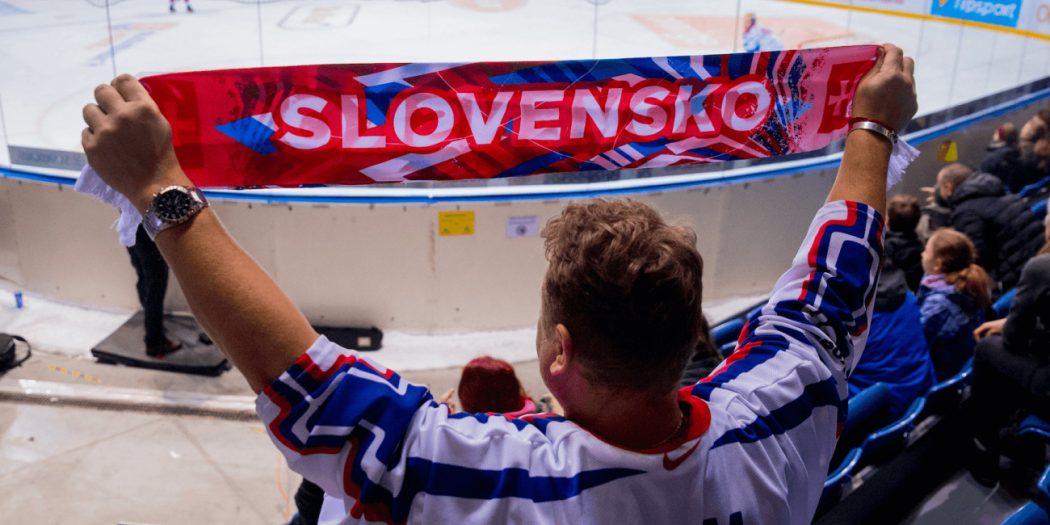
Slovakia’s top sports leagues have major gambling sponsors: national football and basketball competitions are branded by Niké, the national lottery operator, while the ExtraLiga hockey league is sponsored by Tiposport.
The ÚRHH’s announcement comes amid significant upheaval in Slovakia’s gambling sector. The year 2025 has been marked by political tensions and regulatory conflicts due to attempts to amend the Gambling Act and introduce new centralized controls over licensing.
In October, President Peter Pellegrini vetoed sweeping changes to the gambling legislation and sent the bill back to the National Council.
The President rejected reforms pushed by Minister of Sports and Tourism Rudolf Huliak, who sought to centralize control over the gambling market, strengthen the state lottery operator Tipos, and grant the government broader powers to manage casino licences and regulate the market.
Huliak argued that the reform would enhance consumer protection and generate over €100 million in additional revenue for social projects. However, Pellegrini opposed the changes, stating that they violated principles of “regional autonomy.” He rejected the amendments because they could force municipalities to allow casinos against the will of local residents.
“The sovereign holder of power in Slovakia is the citizen,” the President warned, noting that the legislation did not guarantee respect for municipal decisions and local referendums.
Former ÚRHH Director General Martin Bohoš left office warning lawmakers that a full review of the Gambling Act – the first since 2019 – was urgently needed. He cited growing evidence that Slovak players are rapidly shifting online, favouring high-risk slots and casino games that the current regulatory framework cannot adequately address.
The dispute revealed deep divisions between the presidency and the government, further complicating an already unstable regulatory environment.
In concluding her first address, Baranová signalled a decisive shift in ÚRHH policy – the new leadership is preparing to enforce gambling regulations much more strictly across the entire sector.
All indications suggest that in 2026 Slovakia will follow the lead of its Central European neighbours by tightening regulatory controls and strengthening consumer protections.
Don’t forget to subscribe to our Telegram channel!