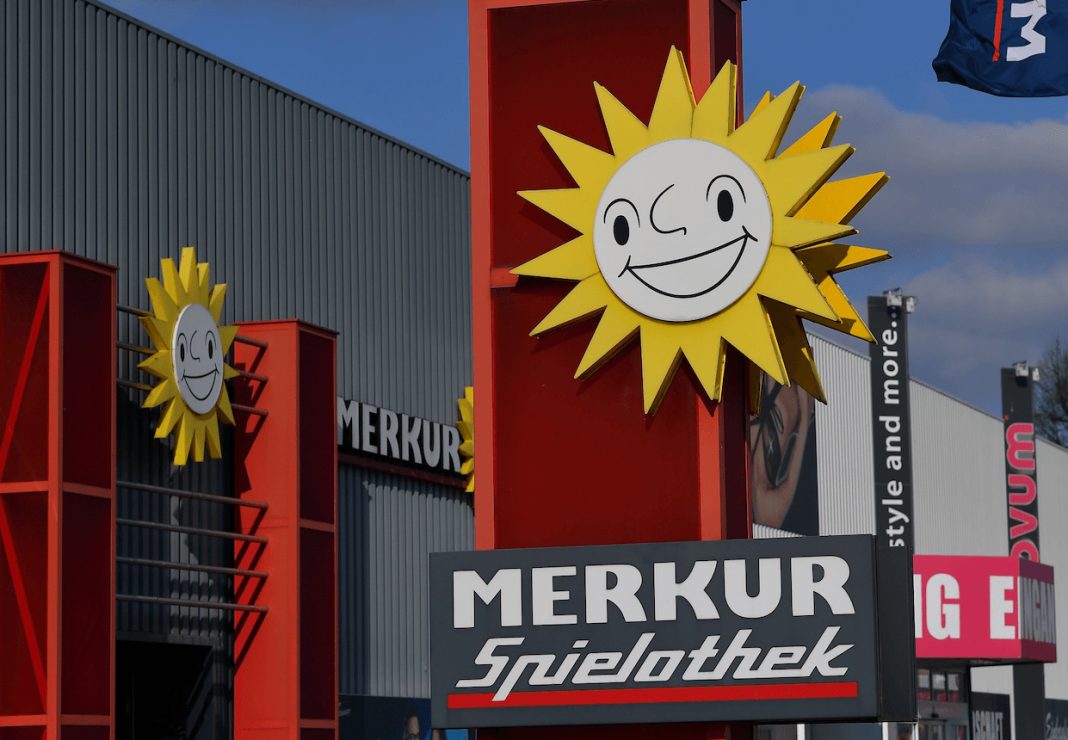
German gambling group Merkur AG, controlled by the Gauselmann Family Foundation, has reached an agreement to acquire Société Française de Casinos (SFC), which operates seven land-based casinos in France. The transaction is expected to close in the first quarter of 2027. The acquisition will mark the third deal involving a French land-based casino operator in the past 18 months.
The French casino market has recently seen increased activity from major international players. In July, Banijay Group, the owner of Betclic, announced an agreement to acquire JOA Groupe, which operates 33 casinos across France.
Earlier, in January 2025, German group Novomatic acquired 11 Vikings Casinos venues, although the value of the transaction was not disclosed.
Under the agreement, Merkur will pay €6.20 ($7.22) per SFC share, representing a 196% premium to the current market price of €2.40 ($2.79). SFC is forecast to generate €22.5m ($26.2m) in gross revenue, €13.3m ($15.5m) in net gaming revenue (NGR) and approximately €3.5m ($4.1m) in EBITDA in 2026.
However, the significance of the transaction extends beyond its immediate financial implications. It could fuel expectations of a potential joint push to legalise online casinos in France. Such a reform could involve a regulatory model similar to the JADE project, which has been promoted in recent years by industry association Casinos de France, representing the country’s largest casino operators.
Taking this speculation further raises questions about the strategic objectives of the three major players actively investing in the French market. It seems unlikely that such companies would be prepared to commit significant sums simply for the sake of owning French casinos, regardless of how well-known the acquired brands may be.
As noted in July in connection with the Banijay-JOA transaction, “from a regulatory development perspective, it is hard to look beyond the fact that the deal puts Banijay in a unique position: as a spearhead to argue for online operators and as one of the top three land-based operators, able to influence a range of key regulatory and commercial conversations.”
The fact that SFC is not part of Casinos de France (CdF) is unlikely to be significant either, as a potential JADE-style regulatory initiative could cover all land-based casinos in France.
Merkur and Novomatic also benefit from France’s specific model for operating land-based casinos. Operators in the country are required to purchase slot machines through specialised companies known as sociétés de fourniture et de maintenance (SFM), which are responsible for supplying and maintaining the equipment.
As both German groups manufacture their own slot machines, they no longer need to purchase equipment through SFMs for their own casinos. This allows them to improve the margins of their operations, while still retaining the ability to supply their own products to other French operators.
Another point of interest is the fact that SFC is publicly listed. Since Vikings Casinos is a privately held company, the amount Novomatic paid for its acquisition was not disclosed. However, given the scale of the two operators — 11 casinos for Vikings and seven for SFC — industry observers are likely to take note of the price Merkur is prepared to pay for SFC and use it as a benchmark when assessing potential targets for future mergers and acquisitions.
Of course, these factors alone do not guarantee that online casino regulation will be introduced in France. However, with Betclic, Merkur and Novomatic, as well as Belgian groups Circus and Golden Palace, the French market now has a group of major stakeholders that combine physical casino operations with the experience, scale and infrastructure required to operate in online gaming and betting.
Don’t forget to subscribe to our Telegram channel!