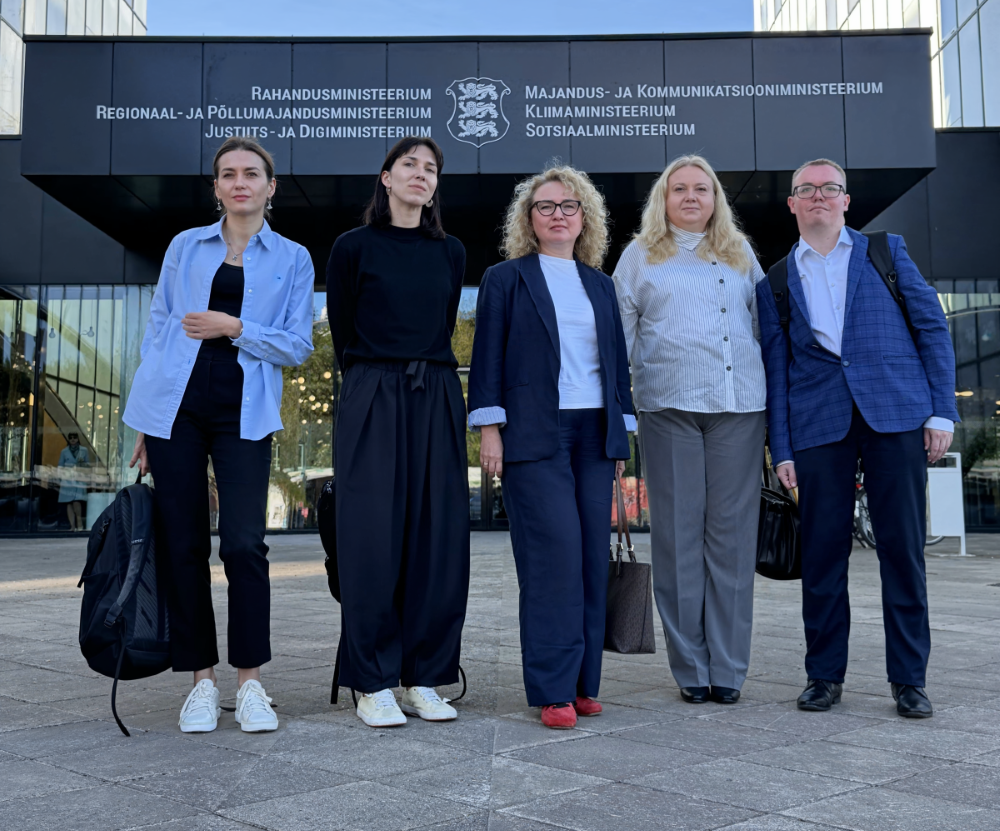
This fall, the nonprofit Responsible Gambling Center (RGC) organized a study visit to Estonia with support from the Association of Ukrainian Gambling Operators, which brings together licensed operators and represents the interests of Ukraine’s legal gambling market. In Tallinn, Ukrainian specialists learned how Estonia regulates its gambling market and works to prevent addiction.
The visit was part of RGC’s work to expand international knowledge exchange and strengthen its comprehensive program for preventing risky gambling behavior. The program spans the medical, social, educational, digital, and financial areas. RGC remains focused on studying effective European approaches to preventing gambling addiction and adapting them so they can later be enshrined in Ukrainian legislation and state policy.
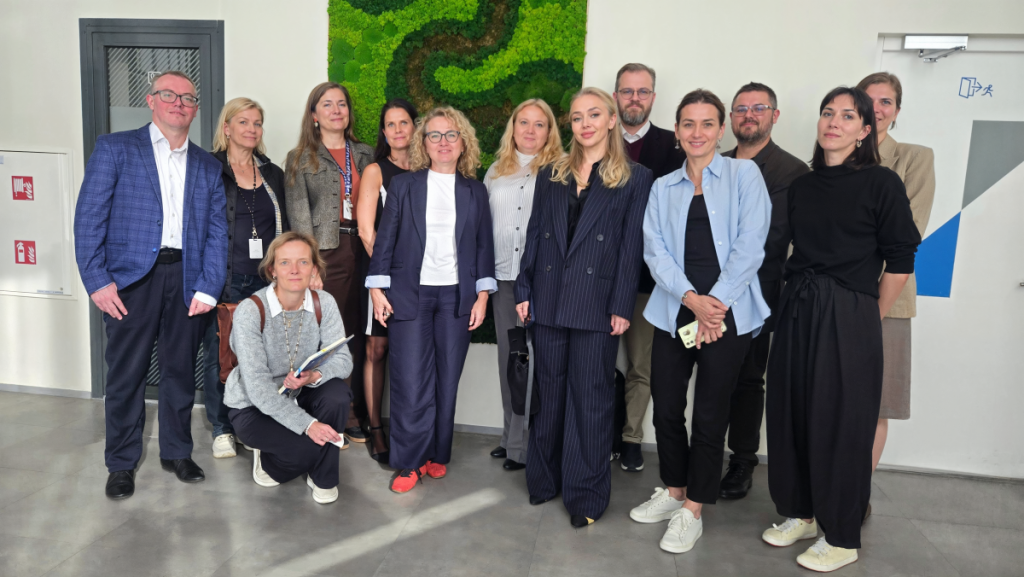
The Ukrainian delegation included representatives of the Ministry of Digital Transformation, the State Agency PlayCity, and the Public Health Center of the Ministry of Health. Its members met with specialists from Estonia’s Ministry of Social Affairs, Ministry of Finance, and Ministry of the Interior, as well as the National Institute for Health Development and a gambling addiction counseling center.
Participants looked closely at how Estonia coordinates prevention across sectors, organizes mental health support, and taxes gambling. The delegation members also learned how the country’s counseling service for people with gambling addiction works, and visited an addiction treatment and rehabilitation center in Viljandi as well as Lootuse Küla (Village of Hope), a charitable community. The two facilities offered a clear contrast between state-run and independent support systems.
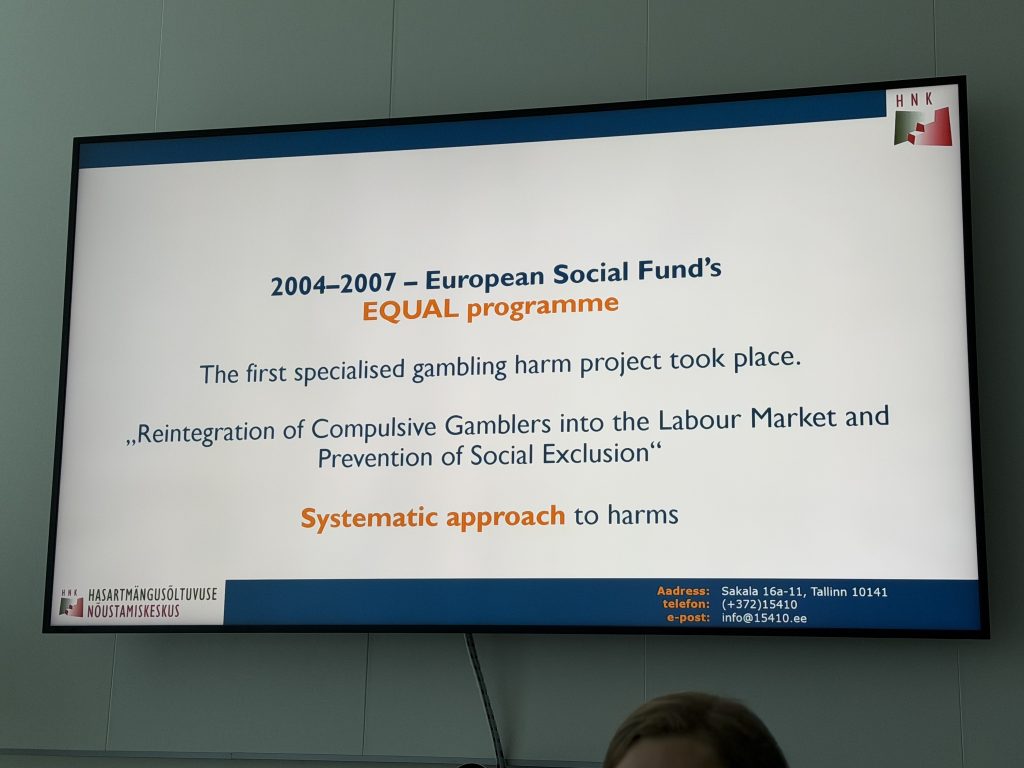
“Estonia offers a telling example: addiction prevention begins at school age, when young people are taught resilience and how to respond to difficult circumstances, and this lowers the risk of addiction taking hold,” said Svitlana Hryshchenko, an RGC representative.
The experts singled out several Estonian approaches that could serve as good examples of how the state, civil society, and business can work together to prevent and treat gambling addiction. One is a shared funding model in which rehabilitation centers rely on both government funds and outside charitable support. The delegation also took note of Estonia’s player self-exclusion programs and the prominent role that organizations working to prevent gambling addiction play in society and at the national level.
“It is important for us to study international experience and see how it works in practice and what it delivers for society. Ukraine can draw on the best of what Europe has developed in responsible gambling and adapt it to our own conditions to shape a modern system for preventing risky behavior,” said Olha Isaieva, director of the Responsible Gambling Center.
With support from its partners, RGC continues its systematic research into international approaches to responsible gambling and player protection. It publishes the findings on its website on a rolling basis and shares them as recommendations with relevant experts in the public and private sectors.
Don’t forget to subscribe to our Telegram channel!