A new memorandum has been presented in Sweden, proposing significant changes to the rules regulating online gambling, services, and platforms.
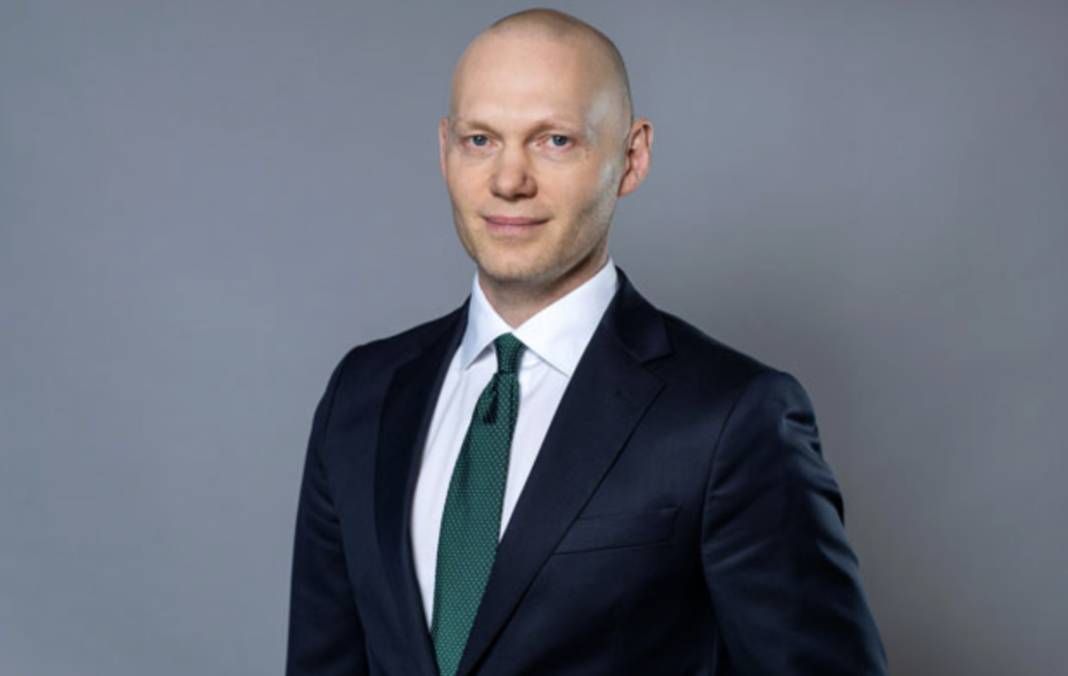
Memorandum Ds 2025:23 was prepared by Marcus Isgren, Chair of the Swedish National Board for Consumer Disputes (Allmänna reklamationsnämnden), at the request of Niklas Wykman, Minister for Financial Markets, who is responsible for gambling regulation.
According to the proposals submitted to ministers, the document introduces amendments to the 2018 Gambling Act (Spellagen 2018:1138). The changes aim to broaden the scope of the law and strengthen efforts against unlicensed operators.
The proposed amendments would replace the current rule, which considers whether a gambling service is targeted at the Swedish market, with a new provision where the main criterion is whether people in Sweden can participate in the games.
New Boundaries for Enforcement
The current legislation has limitations, as the Gambling Act only applies to online services specifically targeting Swedish consumers. The amendments introduce a new interpretation under which enforcement measures and sanctions could also apply to unlicensed platforms if even a single consumer from Sweden has used their services. Thus, enforcement of the law would be based on actual participation rather than the existing principle of intent.
These amendments are intended to close legal loopholes that have allowed many unlicensed platforms to operate in the “grey zone” of legislation. In particular, they seek to tighten control over payment services and other entities providing support to unlicensed gambling operators.
The memorandum sets out a package of legislative initiatives aimed at strengthening the enforcement of Sweden’s Gambling Act, especially in the digital space. The key innovation is a shift from the current model, which focuses on whether a service is directed at Swedish consumers, to a new system based on actual participation. This means the law would apply to any online games and services that are accessible to Swedish users, regardless of where the operator is located or how it markets its services.
Enforcement Beyond Licensing
To support this approach, the memorandum also proposes additional measures to restrict financial flows between Swedish players and unlicensed operators. In particular, it calls for an expansion of the existing ban on promoting illegal gambling, extending it to payment solutions as well as financial and administrative services provided to unlicensed platforms. Importantly, this obligation would apply even to services not originally intended for the gambling industry.
A new rule is also proposed to strengthen enforcement: anyone processing payments to or from an unlicensed gambling operator must assume that the user is playing from Sweden if they reside in the country. This presumption can only be overturned if clear evidence is presented that the player is participating from abroad. This measure is designed to improve oversight efficiency and reduce legal uncertainty.
In addition, the memorandum calls for updates to the criminal provisions of the Gambling Act. Offences related to unlicensed gambling and its promotion would be clarified and brought in line with the new participation-based model. This would provide authorities with stronger legal grounds to take action against both unlicensed operators and intermediaries granting access to their services.
All proposed changes are scheduled to take effect on January 1, 2027, giving regulators and industry stakeholders time to adapt to the new legal environment.
BOS Support
The initiatives have received strong backing from the industry. The Swedish Trade Association for Online Gambling (BOS) welcomed the memorandum, calling it a long-overdue step toward closing regulatory gaps. In its statement, BOS emphasized that the new rules would end the practice of unlicensed companies passively accepting Swedish players. Instead, such operators would be required to take active measures to block access for Swedish users.
BOS has consistently advocated this approach since the re-regulation of the gambling market in 2019 and considers the proposal a major step forward. As stated by Gustaf Hoffstedt, Secretary General of BOS: “This is an important contribution to the possibility of strengthening the Swedish gambling licence market, which is now proposed to criminalize almost all unlicensed gambling in Sweden.
I foresee the government shortly submitting a bill to the Riksdag in accordance with the investigation’s proposal. Good job Mr. Investigator – and with the hope of equally good job from the government and the Riksdag to now proceed with legislation on the matter. Unlicensed gambling in Sweden must be smoked out.”
At the same time, BOS continues to call for a separate government inquiry into the performance of the online casino market in terms of licensed market share. Since re-regulation in 2019, this segment has consistently fallen short of the government’s stated goal of achieving a 90% rate — meaning that 90% of gambling should occur via licensed operators.
According to a BOS-commissioned survey referenced in the memorandum, the legal market share for online casinos was only 72% in 2023. BOS has previously described this level as “critically low.” The organization stresses that understanding the reasons for this underperformance is essential to developing effective regulation that both protects consumers and ensures fair competition among licensed operators.
With strong political backing, a clear regulatory roadmap, and support from the industry’s key association, the proposed amendments to the Gambling Act could mark a decisive step in Sweden’s efforts to combat illegal gambling and strengthen the transparency of its licensed market.
Don’t forget to subscribe to our Telegram channel!