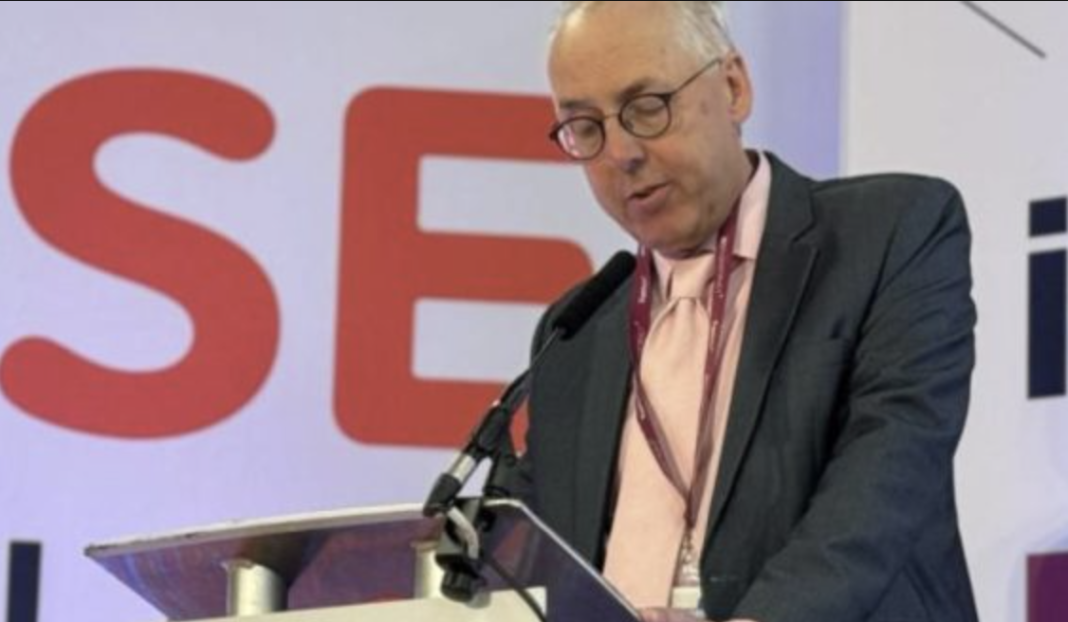
Dutch operators must accept “the human cost of gambling addiction” as the defining factor in strengthening consumer safeguards, according to Kansspelautoriteit (KSA) Chairman Michel Groothuizen.
Reflecting on his recent visit to Anonieme Gokkers (Gamblers Anonymous NL), Groothuizen revealed that the charity had tracked 113 suicides directly linked to gambling debt, underscoring the deep personal and social harm that can follow gambling addiction.
“If there’s one thing I took away from that evening, it’s the certainty that the appeal of gambling for former addicts will always remain and that perseverance is a daily struggle,” he said.
Dutch health authorities report 1,878 suicides annually from roughly 50,000 attempts, with loneliness, family breakdown, and mental-health issues among the key factors. Citing Swedish research, Groothuizen stressed that gambling addicts face a 15-times higher suicide risk than the general population, adding that “loneliness and lack of perspective often play a major role – in a phenomena with which gambling addicts are so familiar.”
Groothuizen’s comments follow confirmation that the CRUKS (Central Register for Self-Exclusion from Gambling) system has surpassed 100,000 registrations.
While acknowledging that the number reflects a worrying level of dependency, he described the milestone as “a sign that self-protection tools are working” and providing at-risk consumers with “a tangible route back to control.”
Under Groothuizen’s leadership, the KSA is widening its focus beyond market oversight to include consumer education, early intervention, and addiction prevention as equal priorities. The regulator has launched public awareness campaigns to promote the Gambling Counter helpline and to encourage wider use of CRUKS as part of a proactive harm-reduction strategy.
The KSA continues to refine its approach to player protection and operator compliance, taking on feedback about involuntary Cruks registration and improving communication around exclusion procedures. Groothuizen emphasised that effective supervision “depends on empathy and consistency – not only enforcing the rules but understanding what drives people to harm.”
Since beginning his chairmanship, Groothuizen has prioritised stronger duty-of-care obligations for all licence holders urging operators to move beyond box-ticking compliance and demonstrate genuine accountability for player welfare. The regulator expects operators to conduct one-to-one checks with customers, assess risk behaviours in real time, and ensure customer service teams receive targeted training to identify signs of vulnerability and potential harm.
This renewed focus, Groothuizen said, reflects the KSA’s intent to build a culture of proactive intervention, where operators act as the first line of defence in preventing gambling addiction and related harms.
The Netherlands’ emerging gambling regime aims to bridge regulation, prevention, and recovery through a coordinated support network involving health bodies, addiction charities, and state agencies. Groothuizen said the KSA will intensify cooperation with organisations such as 113 Suicide Prevention and Anonieme Gokkers, ensuring that gamblers in crisis are not left isolated.
“Regulation alone cannot restore lives,” he concluded. “Our responsibility is to ensure that every person who struggles with gambling knows there is help, hope, and a path forward.”
Groothuizen further believes that compassion and understanding must guide the next phase of revisions to the Remote Gambling Act (KOA), which will be undertaken by the incoming government. He urged policymakers to look beyond political ideology and ensure that any reform “carries the ultimate objective of protecting those at risk of suicide and the most vulnerable from gambling – the greatest human cost of any gambling regime.”
Don’t forget to subscribe to our Telegram channel!