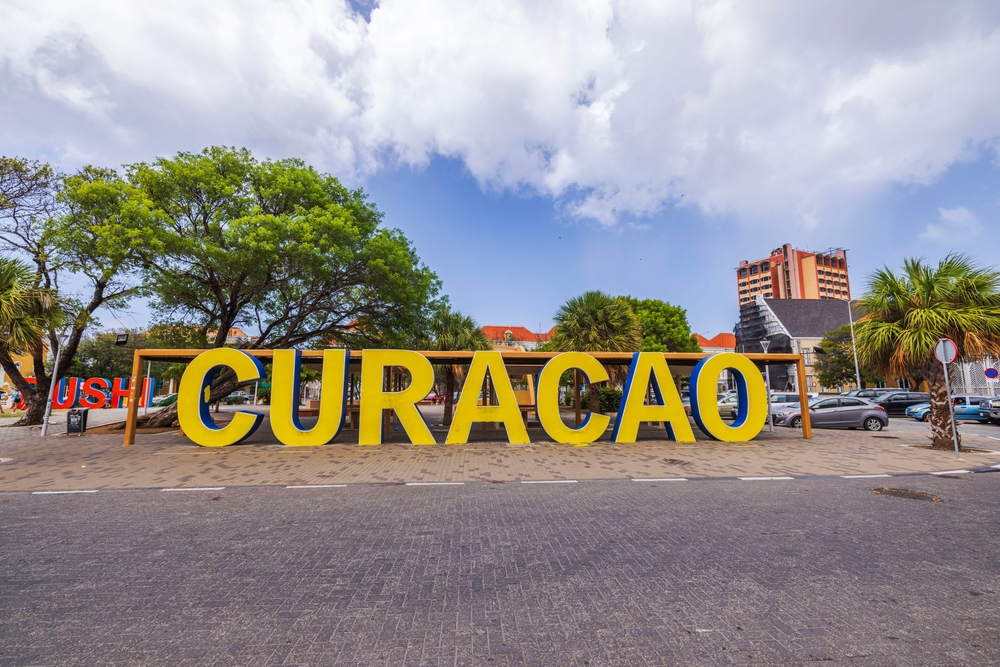
The Curaçao Gaming Authority (CGA) has confirmed that the use of cryptocurrency payments will remain permitted in the market, despite the regulator’s shift toward a stricter regulatory framework.
At the same time, although crypto transactions are allowed under the new policy, gambling companies will not be permitted to operate as exchanges, payment service providers, or virtual asset service providers (VASPs).
The CGA emphasizes the need for balance: operators remain responsible for customer due diligence and compliance when handling cryptocurrencies, while still being allowed to engage third-party VASPs and payment providers.
As part of the reform, digital assets are being placed into a separate regulatory category. They are not prohibited, but are classified as high-risk instruments.
Under the updated rules, operators will be able to accept crypto payments from non-custodial or self-custodial wallets. The regulator notes that existing risk-based controls are expected to mitigate a significant portion of the risks associated with such wallets.
This comes amid concerns that non-custodial wallets carry a higher level of risk due to the absence of a regulated intermediary, which is offset by enhanced operator due diligence and stricter internal compliance mechanisms.
The CGA has also urged operators to exercise particular caution when dealing with highly speculative assets known as meme coins, given their significant price volatility.
The regulator has explicitly prohibited deposits and transactions involving wrapped tokens or bridged assets where the provenance of the underlying asset cannot be clearly verified.
The phased implementation of the new requirements will begin in the second half of this year and continue through the first half of 2027.
Within three months, operators must upload a full crypto policy to the CGA portal with a detailed compliance and implementation roadmap.
Within the following six months, operators must complete a set of measures including documented crypto risk assessments, VASP due diligence procedures, wallet ownership controls, transaction monitoring, and staff training.
Within one year, full implementation will be required of wallet segregation, blockchain analytics tools, reconciliation processes, withdrawal whitelisting (or equivalent mechanisms), and audit-ready reporting systems.
The regulator’s approach in Curaçao will remain in focus, as it seeks to stay open to cryptocurrencies while simultaneously strengthening its regulatory oversight of digital asset use.
Don’t forget to subscribe to our Telegram channel!